Lawn Aeration

Core aeration helps your lawn breathe, promoting deeper roots and a healthier, more resilient turf.

Let Your Lawn Breathe

Over time, soil becomes compacted from foot traffic, mowing, and natural settling. This compaction makes it difficult for air, water, and nutrients to reach your lawn’s root system.

Core aeration removes small plugs of soil from your lawn, creating channels that allow air and water to penetrate the root zone. This promotes deeper, stronger roots and a healthier lawn overall.

For Florida lawns, aeration is particularly beneficial because our sandy soils can still become compacted in high-traffic areas. The process helps reduce thatch buildup and improves the effectiveness of fertilizer applications.

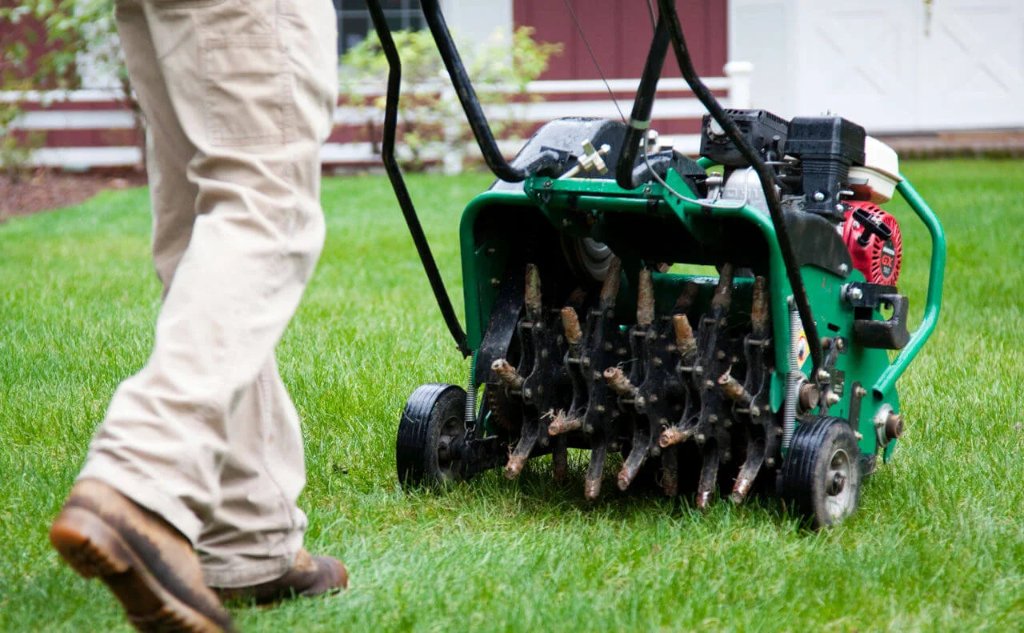
Lawn Aeration Service in Florida

Benefits of Aeration

Why your lawn needs to breathe.

Divider Line
Improved Air Exchange

Improved Air Exchange

Allows oxygen to reach the root zone where it's needed for healthy grass growth.

Better Water Absorption

Better Water Absorption

Water penetrates more easily, reducing runoff and promoting deeper root growth.

Enhanced Nutrient Uptake

Enhanced Nutrient Uptake

Fertilizers and nutrients can reach the root zone more effectively.

When Should You Aerate?

The best time to aerate depends on your grass type. For warm-season grasses common in Florida, late spring through early summer is ideal – when the grass is actively growing and can recover quickly.

Signs Your Lawn Needs Aeration

Ready for a Beautiful Outdoor Space?

Get your free estimate today and discover why your neighbors trust McGuire

Frequently Asked Questions

What is lawn aeration, and why is it important?

Lawn aeration, also known as core aeration, involves removing small soil plugs to create channels that allow air, water, and nutrients to reach the root zone. It reduces soil compaction from foot traffic and mowing, encourages deeper root growth, and makes your lawn stronger, especially in Florida.

For warm-season grass in Florida, the best time to aerate is late spring to early summer. Aerating while the grass grows helps it bounce back quickly and enjoy better airflow, water absorption, and nutrient uptake at the time it needs it most.

You might need aeration if you see water pooling after rain, have hard and compacted soil, notice thin or stressed grass, observe heavily trafficked areas, or find that the thatch layer is more than 1/2 inch thick. If you notice two or more of these issues, aeration can quickly improve root health.

Most lawns benefit from aeration every 1 to 3 years. High-traffic lawns may need it more often. We recommend aeration based on how compact the soil is and how well the turf is growing, since Florida lawns can vary widely in soil conditions and use.

Yes, aeration helps water penetrate the soil more effectively and allows nutrients to reach the roots more readily. If you are spending money on fertilizer or dealing with runoff and dry patches, core aeration can help your lawn absorb more of what you’re applying, instead of losing it at the surface.